Foreign News
How Tensions in the Strait of Hormuz Impact Oil Prices

How Tensions in the Strait of Hormuz Impact Oil Prices
NewsReport reports that oil prices have surged after a change in events sent West Texas Intermediate crude up 1.3 percent, pushing it above $64 a barrel. This spike comes right on the heels of a maritime advisory from the US Department of Transportation, which urged ships to steer clear of Iranian waters.
With about a third of the world’s oil flowing through the Strait of Hormuz, it’s no wonder investors are paying close attention.
The advisory issued on Monday underscores a recent incident in which Iran’s Islamic Revolutionary Guard Corps reportedly harassed a US-flagged tanker in the strategic waterway.

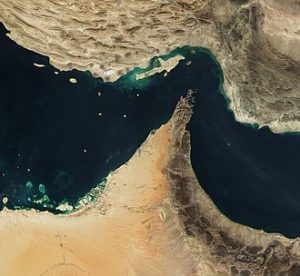
Strait of Hormuz
How Tensions in the Strait of Hormuz Impact Oil Prices
This development has reignited safety concerns and investor anxieties about potential disruptions at this vital chokepoint.
As tensions simmer, the backdrop of nuclear talks between the US and Iran adds an intriguing twist. Just days ago, both nations highlighted a sense of optimism following discussions in Oman, which they described as a “step forward” in easing tensions regarding Iran’s nuclear program.
But with the US now cautioning its vessels against Iranian waters, that cautious optimism has morphed into a renewed risk premium in the oil market.
Iran has made clear its willingness to close off the Strait during times of geopolitical strife, raising the stakes even higher. Investors are left wondering how far this latest advisory might impact the already choppy waters of oil pricing.
As always, the oil market keeps us on our toes, blending geopolitical drama with the complexities of global supply chains. With these developments, all eyes will be on the Strait of Hormuz as the dance between diplomacy and tension unfolds.