
Business
Fidelity Bank’s N500bn Triumph: Meeting CBN’s Rules with Style

Fidelity Bank’s N500bn Triumph: Meeting CBN’s Rules with Style
Fidelity Bank Plc’s journey to surpass the N500 billion capital milestone was a careful two-year effort, reflecting their commitment to growth and stability for the benefit of their customers and the broader community.
This process ultimately increased its regulatory capital to about N564.5 billion, comfortably exceeding the Central Bank of Nigeria (CBN) requirement for international banks, and positioning it as a leader in the industry’s recapitalisation cycle that concluded on March 31, 2026.
The recapitalisation demonstrates Fidelity Bank’s dedication to being a resilient and responsible financial partner, fully complying with the CBN’s 2024 directive, which raised minimum capital requirements across the industry.
In a disclosure on the Nigerian Exchange Group, Fidelity Bank shared that its capital raise began in 2024, with a combined public offer and rights issue that raised N175.85 billion. This move created a stronger foundation, though there was still a gap of about N194.5 billion to meet the new minimum standards.
This initial phase was thoughtfully structured, allowing the bank to include both existing shareholders and new retail investors, fostering wider participation and community trust.
Related News:
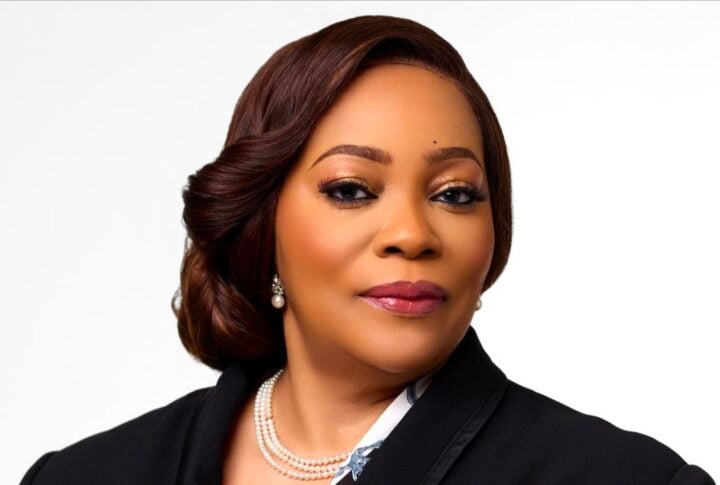
Empowerment in Leadership: Meet Amaka Onwughalu, Fidelity’s Pioneering CEO
How Fidelity Bank Stands Out After Recent Recapitalization
The second phase, carried out in December 2025, involved a N259 billion private placement of shares within a single day, approved by both the CBN and the Securities and Exchange Commission, primarily targeting institutional investors.
Supported by shareholder approval obtained earlier in 2025, this quick and decisive action helped close the capital gap, boosting the bank’s eligible capital from N305.5 billion to N564.5 billion—surpassing the regulatory minimum.
This successful recapitalisation reinforces Fidelity Bank’s position as a strong and dependable financial partner, capable of supporting larger transactions and withstanding economic challenges.
The additional capital not only prepares the bank for future growth but also shows a positive outlook amid current economic pressures like currency fluctuations, inflation, and rising interest rates.
External ratings agencies also recognize this resilience. Fitch Ratings affirmed Fidelity’s Long-Term Issuer Default Rating as ‘B’ and upgraded its National Long-Term Rating to ‘A+(nga)’, praising improvements in its capital and profitability.
By the end of 2024, Fidelity ranked as Nigeria’s sixth-largest lender by assets. Its strengthened capital base is expected to support its ongoing operations and contributions to the financial sector’s stability.
Data from its nine-month financial report shows total assets increased by 10.2 percent to N10 trillion by September 2025, compared to N9.5 trillion in the same period of 2024. Total liabilities stood at N9 trillion, while shareholders’ equity doubled to N1 trillion, indicating strong financial health.
Market confidence has been responding positively. Since the recapitalisation announcement, Nigerian bank shares, including Fidelity Bank’s, have attracted renewed investor interest. Fidelity’s shares gained 5 percent so far this year, closing 2025 at around N119.95, up from N19.00 at the start of the year.
Today, Fidelity Bank Plc is the 25th most valuable stock on the Nigerian Stock Exchange, with a market capitalization of N1 trillion—about 0.768 percent of the exchange’s total equity. These achievements reflect the dedication of everyone at Fidelity Bank working together to build a more secure and resilient financial future for all.