Ghana News
Galamsey: Forest Group Pushes for Stronger Mining Laws

Galamsey: Forest Group Pushes for Stronger Mining Laws
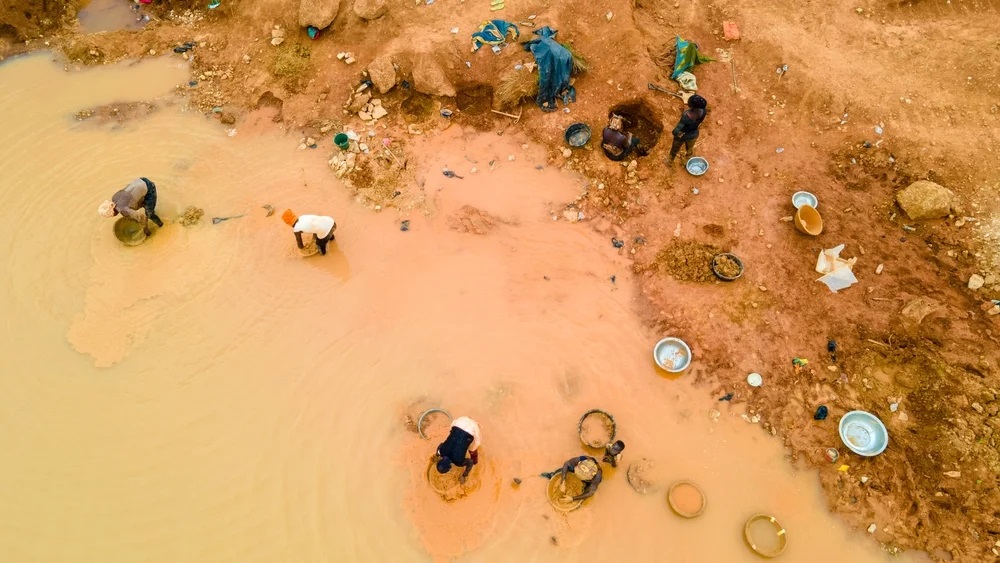
Ghana Institute of Foresters (GIF) is advocating for the implementation of stricter regulations on mining activities, especially in response to the harmful effects of illegal mining.
This group, focused on protecting forest ecosystems, highlights the urgent need for better legislation that addresses the environmental issues caused by galamsey operations and encourages sustainable practices in the mining industry.
Their efforts aim to balance economic growth with environmental preservation, ensuring natural resources are used responsibly for future generations.
Ghana Institute of Foresters (GIF)
The Ghana Institute of Foresters (GIF) has called for a new legal framework to regulate mining in forest reserves, following the government’s decision to revoke L.I. 2462 and its amendment, L.I. 2501.
According to the Institute, the proposed law should only allow limited deep-cast mining in designated production forests, while fully protecting forests that safeguard water sources and unique biodiversity.
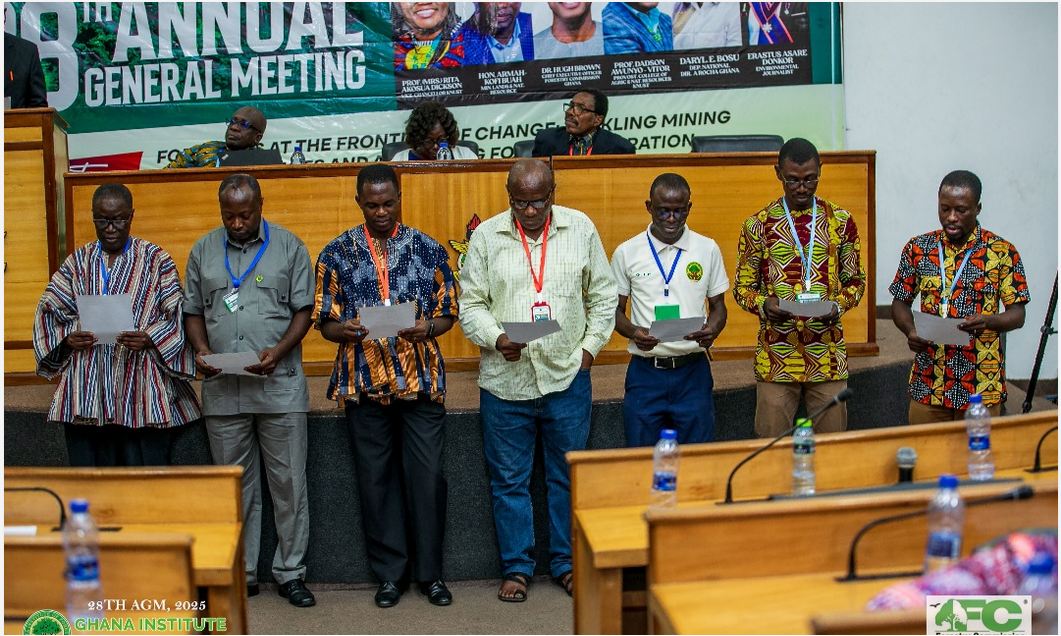
This key policy recommendation was included in a statement issued at the close of the Institute’s 28th Annual General Meeting (AGM), held at Kwame Nkrumah University of Science and Technology (KNUST) in Kumasi, on Saturday, November 22, 2025.
The AGM, themed “Foresters at the Forefront of Change: Tackling Mining Challenges and Advancing Forest Restoration,” brought together about 150 members and was chaired by Professor Kyereh Boateng of the Faculty of Renewable Natural Resources, KNUST.
Participants welcomed the government’s move to present a new Legislative Instrument to Parliament to revoke L.I. 2462—which permitted mining in forest reserves—and L.I. 2501.
However, GIF emphasized that replacing the revoked laws with a clearer, more stringent law is crucial to protecting the nation’s forests, especially as illegal and poorly regulated mining continues to damage vital ecosystems.
Galamsey: Forest Group Pushes for Stronger Mining Laws
The Institute recommended that the new law explicitly ban all surface and alluvial mining in forest reserves, citing the extensive damage these activities have caused to forests and water bodies.
“Instead, only deep-cast mining—whose operations can be more carefully controlled—should be permitted, and solely within the production forest reserves,” the statement read.
GIF also stated that the proposed law should categorically exclude all forest areas that serve as watersheds, harbor rare biodiversity, or provide essential ecological functions.
Data presented at the AGM highlighted the urgency, showing that between 2015 and 2024, open forests expanded while closed forests significantly declined, indicating increasing degradation instead of outright deforestation.
Furthermore, 50 protected areas, including 49 forest reserves and Bui National Park, have been impacted by mining activities.
As of early 2025, armed miners had taken control of nine forest reserves; by October, five remained under their control.
The most affected reserves include Apamprama, Oda River, Offin Shelterbelt, Tano Anwia, and Tano Nimri.
The statement also noted that some foresters have lost their lives or been seriously injured while trying to stop illegal mining.
While praising the government for revoking around 300 small-scale mining licenses and starting legislative reforms, GIF argued that some existing policies still hinder progress.
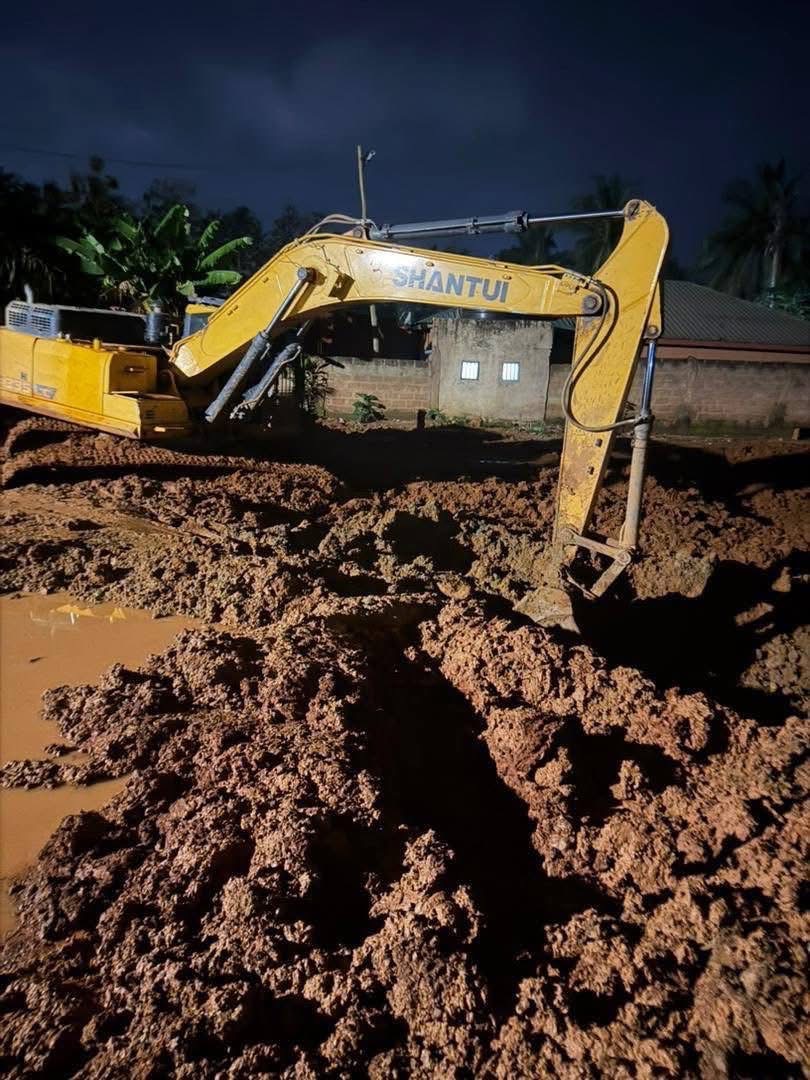
The Institute criticized the February order against burning excavators in forest reserves, calling it counterproductive since seized equipment often returns to illegal sites.
Therefore, GIF urges the reintroduction of on-site destruction of excavators and other machinery used for illegal mining in protected forests, insisting that the law already allows this and that it’s the most effective deterrent.
The statement also pointed to greed, political interference, foreign involvement, weak enforcement, and corruption as ongoing drivers of illegal mining.
GIF condemned the recent attack on the National Anti-Illegal Mining Operations Secretariat (NAIMOS) at Hwidiem, which led to the escape of arrested miners and the release of impounded vehicles.
The Institute praised security agencies for their quick response and reaffirmed its support for efforts to transform the Forestry Commission into a paramilitary body capable of confronting armed mining groups.
The AGM also called for increased forest restoration efforts and stronger public education on illegal mining’s impacts, urging the National Commission for Civic Education (NCCE) to prioritize this campaign.